
The Summer is coming!
Everything about proper chimney and wood stove maintenance
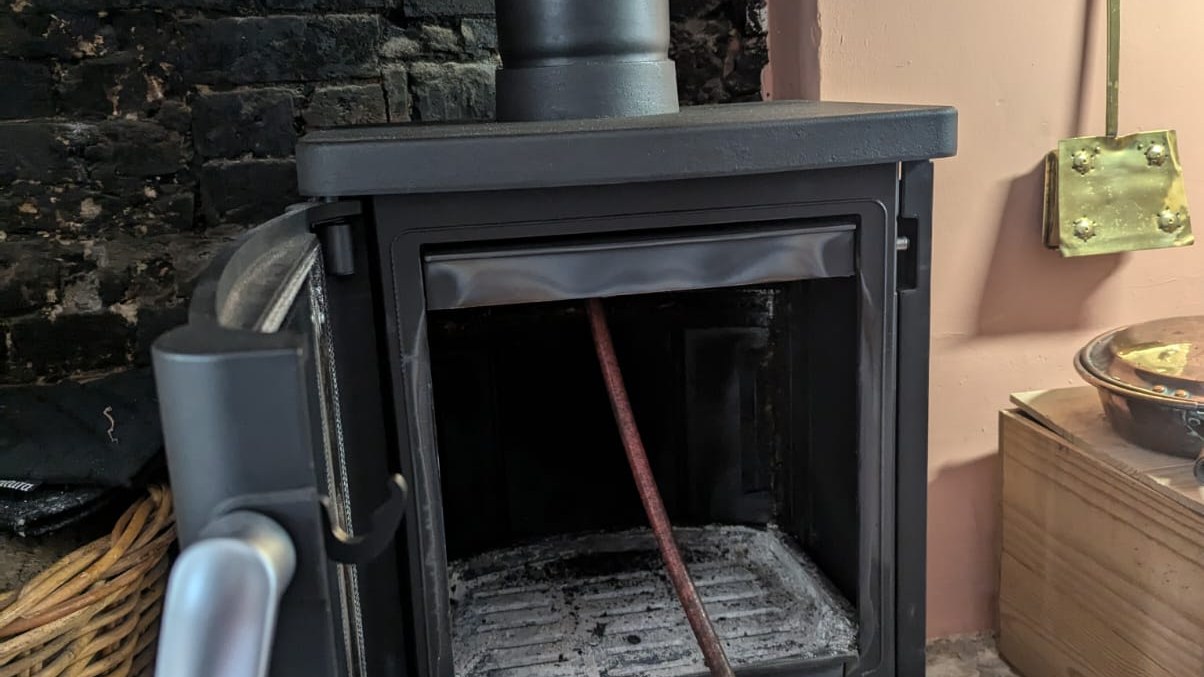
The Quiet Months Are the Right Months
Most solid-fuel appliances in the UK sit unused from around April through to September, and that six-month gap is exactly when the useful maintenance work should happen — not in October when every sweep and installer is booked solid.
Why Summer Matters for Flue Condition
A flue that has run hard through winter carries a residue load that continues to act on the liner and masonry even after the fire goes out. Acidic condensates from incomplete combustion — particularly from wet or mixed fuels — will keep attacking mortar joints and steel liners if left to sit. Addressing this in May or June rather than leaving it until the autumn gives any remedial work time to cure and settle before the appliance is back in service.
Document J of the Building Regulations requires that a flue serves its appliance safely and that the installation is appropriate to the fuel type and appliance output. That obligation doesn't pause in summer. If a liner has developed a breach or a register plate has corroded, the system is non-compliant whether the stove is lit or not.
What a Summer Service Should Cover
A competent sweep working to HETAS guidance will do more than brush the flue. A proper off-season inspection should include:
- Visual check of the flue terminal and any weathering collar at roof level
- Smoke or pressure test of the liner to identify any breach (relevant to BS EN 15287-1 requirements for flue integrity)
- Inspection of the register plate and throat area for corrosion or physical damage
- Check of the appliance door seals and rope gaskets
- Assessment of combustion air provision against Document J Clause 2.18–2.22 requirements
- Confirmation that clearances to combustibles remain as installed
If a flexible stainless liner is found to have a breach, summer is the window to reline without the pressure of a householder who needs heat in two weeks.
Liner Specification — Getting It Right Before Autumn
Fuel Type Drives the Liner Grade
A liner sized and specified for a wood-burning appliance is not automatically suitable if the homeowner wants to switch to a multi-fuel stove or a gas fire at a later date. BS EN 1856-2 sets out liner classifications by temperature class, pressure class, condensate resistance, and corrosion resistance. The designations matter: a T400 N1 D 3 liner is a different product from a T600 P1 W 2, and the difference is not cosmetic.
Sizing Is Not Guesswork
Flue diameter must be matched to the appliance spigot and the manufacturer's installation instructions. Where a new appliance is being fitted, Document J Table 1 gives minimum internal flue sizes for different appliance types. Undersizing restricts draw; oversizing on a low-output appliance encourages cool flue temperatures and increased condensate. Both create problems.
Carbon Monoxide Detection
BS EN 50291-1 covers CO alarms for domestic premises. Since October 2022, Part J of the Building Regulations (as amended) requires a CO alarm to be fitted in any room where a new or replacement solid-fuel appliance is installed. Summer installations and relining jobs fall within scope. Alarms should be positioned according to manufacturer guidance — typically at head height and within one to three metres of the appliance.
Planning Work Now
Sweeps and HETAS-registered installers are generally more available between May and August. Lead times for quality flexible liner systems and twin-wall